The process of using resin plug holes on the circuit board is often because of BGA parts, because the traditional BGA may make VIA between the PAD and the PAD to route to the back, but if the BGA is too dense and the VIA cannot go out, you can directly drill the hole from the PAD Make vias to other layers to route the wires, and then fill the holes with resin and plate copper to form a PAD, which is commonly known as the VIP process (viainpad). If you just make vias on the PAD without using resin to plug the holes, it is easy to cause leakage. Tin causes short circuits on the backside and empty soldering on the front side.
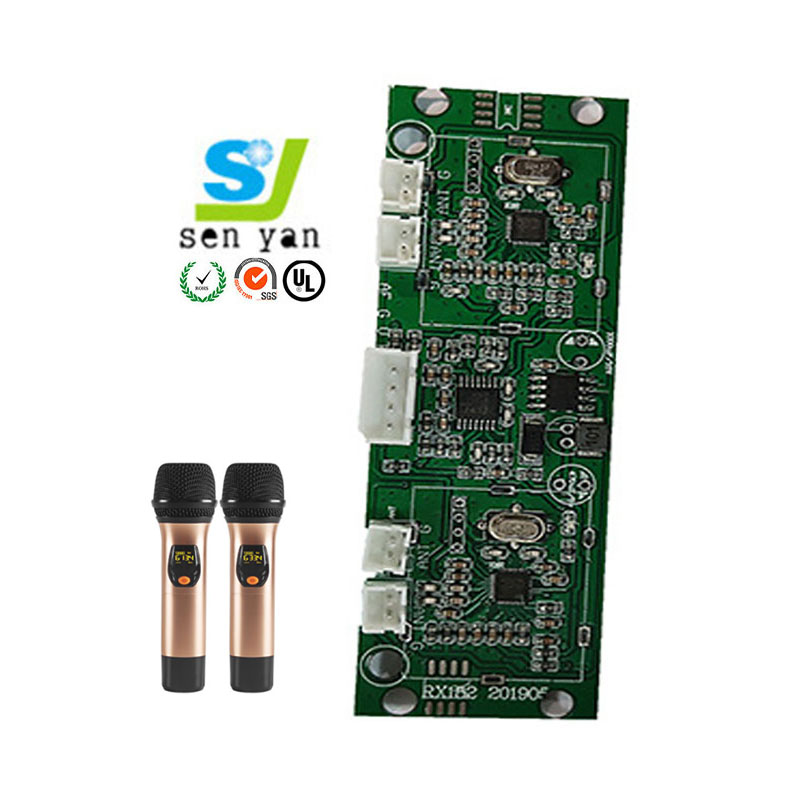
The process of resin plugging holes on circuit boards includes drilling, electroplating, plugging, baking, and grinding. It does not contain copper, so another layer of copper is added to turn it into a PAD. These processes are done before the original PCB circuit board drilling process; that is, the holes of the fortress holes are processed first, and then other holes are drilled. , according to the original normal process.
If the plug hole of the circuit board is not plugged properly; when there are air bubbles in the hole, because the air bubbles are easy to absorb moisture, the PCB circuit board of the circuit board may explode when it passes through the tin furnace. However, if there are air bubbles in the hole during the plugging process, the baking Bubbles will squeeze out the resin during baking, causing one side to sag and one side to protrude. At this time, defective products can be detected, and the circuit board with air bubbles may not necessarily explode, because the main cause of the explosion is moisture, so if it is The boards or boards that have just left the factory have been baked during loading, and generally speaking, they will not cause explosions.