In the production process of PCB circuit boards, because the thickness of the board itself is too thin or improperly stored and the board becomes bent and warped during reflow soldering, if severe, it may even cause empty soldering of components, tombstones, etc. This problem will bring many hazards
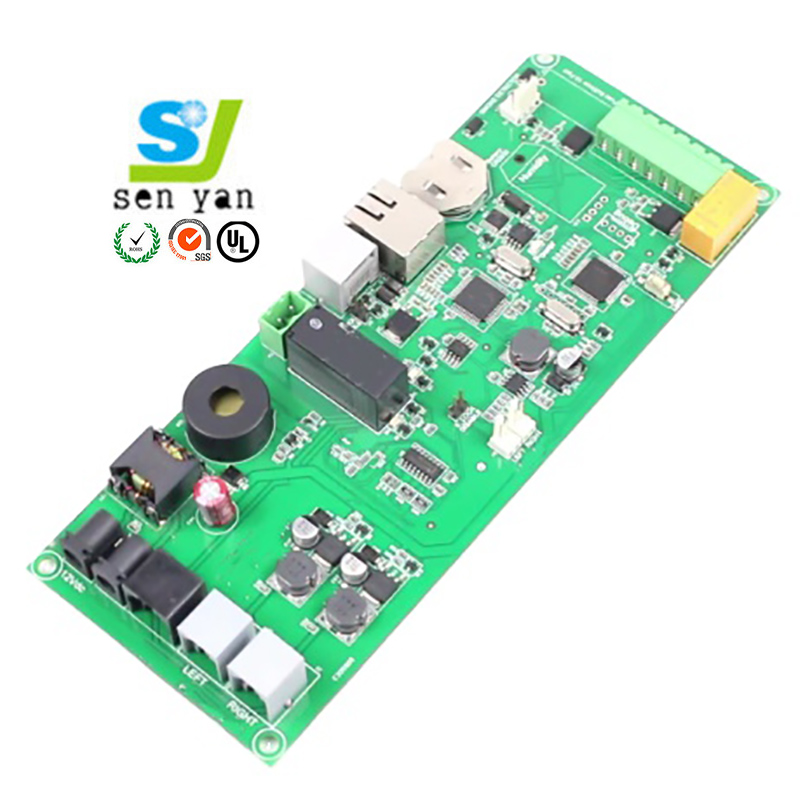
For example, the board cannot be installed on the chassis or the socket inside the machine, so it is also very troublesome for the assembly plant to encounter board warping. The current surface mount technology is developing towards high precision, high speed, and intelligence, which puts forward higher flatness requirements for PCB circuit boards, which are the hometown of various components.
In the IPC specification, it is specifically pointed out that the maximum deformation allowed for PCBs with surface mount devices is 0.75%, and the maximum deformation allowed for PCBs without surface mounts is 1.5%. In fact, in order to meet the needs of high-precision and high-speed placement, some electronic assembly manufacturers have stricter requirements on the amount of deformation.
PCB circuit board is composed of copper foil, resin, glass cloth and other materials. The physical and chemical properties of each material are different. After pressing together, thermal stress residue will inevitably occur, resulting in deformation. At the same time, during the processing of PCB circuit boards, of course, it can also be restored through various processes such as high temperature, mechanical cutting, and wet treatment.